
So, you’ve got a killer idea for a dating app. That’s awesome. The market is huge, and there’s definitely room for something fresh. But before you start picking out color schemes, let’s talk about the elephant in the room: the cost. It’s not just a simple number; it’s a range that depends on what you want to build. Let’s break it down together.
Quick Answer: How Much Does It Cost to Build a Dating App?
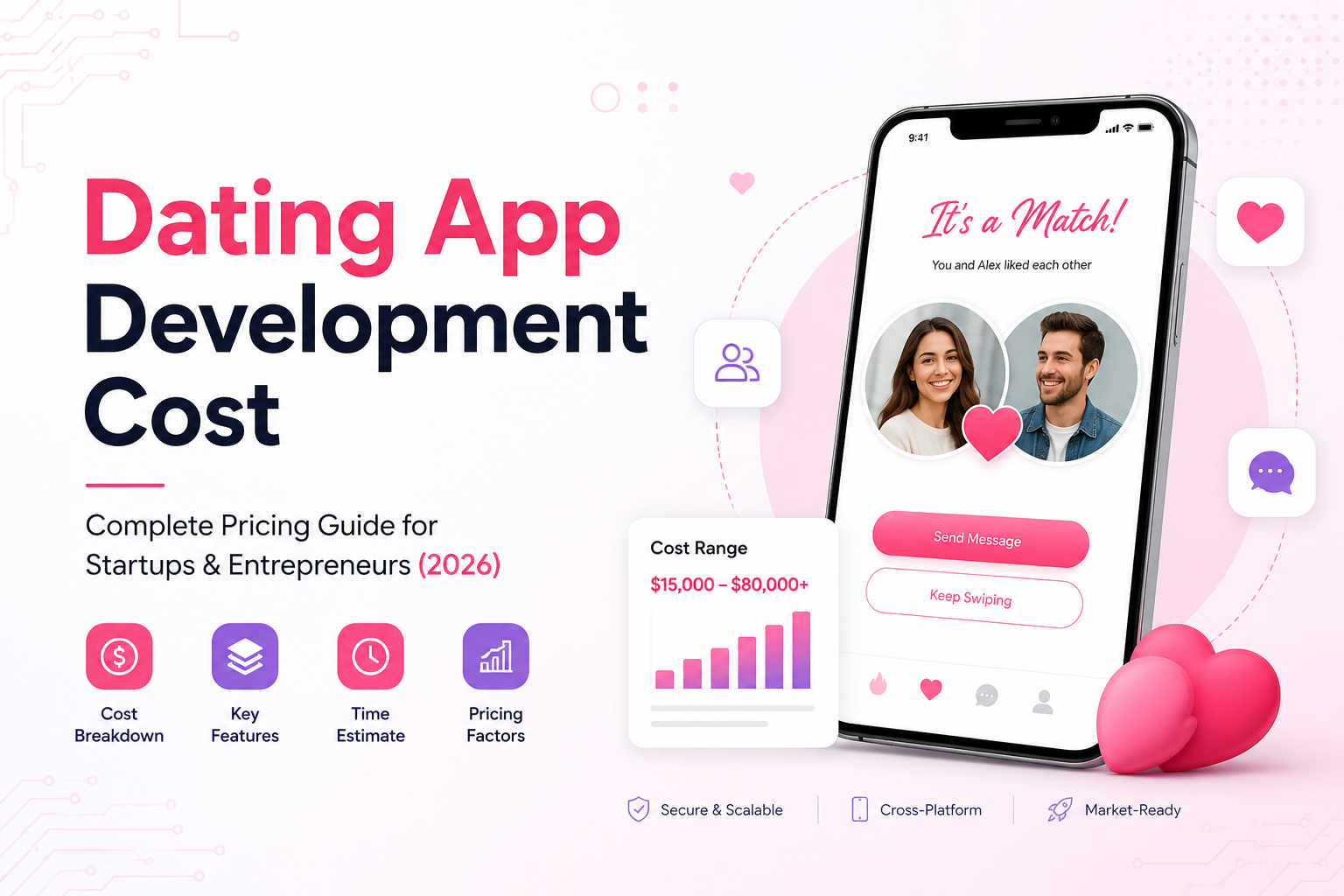
The cost to build a dating app typically ranges from $25,000 for a simple MVP to over $200,000+ for a fully-featured, AI-driven platform. A basic app with core features like profile creation, matching, and chat will sit on the lower end. Adding advanced features like AI matchmaking, video calls, and robust safety tools pushes the price much higher. The final cost heavily depends on the feature set, the app’s complexity, and where you hire your development team. For a mid-tier app with good features and solid design, you’re looking at around $80,000 to $150,000. Remember, this is just the development cost. You’ll also need to budget for marketing, maintenance, and server costs after launch.
So, You Want to Build a Dating App?
Every day, we see new apps trying to be the next Tinder. But the reality is, building one is a big deal. It involves a lot of moving parts, from the initial idea to the final launch and beyond.
Let’s be real; you’re not just building an app. You’re building a community, a place where people could find love, friendship, or just a good time. That means it needs to be fast, reliable, and, most importantly, safe.
The costs can be intimidating, but once you understand where the money goes, it’s much easier to plan. Let’s dive into the world of dating app development costs to set you up for success.
I remember talking to a founder who thought he could build his app for $5,000. He was shocked when he got real quotes. Don’t be that person. Do your homework first.
The dating app market is expected to grow significantly in the coming years. That means more competition but also more opportunities. Getting your cost estimates right from the start can make or break your project.
The Feature List: The Biggest Cost Driver
Think of your app like building a house. A basic studio apartment costs a lot less than a five-bedroom mansion with a pool. The same goes for app development. The features you choose are the biggest factor in your budget.
Every feature you add takes time to design, code, test, and maintain. That time translates directly into money. So, you need to be smart about what you include in your first version.
Let me walk you through the different feature categories so you can see where your money will go.
Must-Have Features (The MVP)
If you want to test the waters without breaking the bank, you start with a Minimum Viable Product (MVP). This version includes only the core features to get the app working. Here’s what that looks like:
User Registration and Profile Creation
Users need to sign up quickly. Offer email and social login options like Facebook or Google. They also need to build a profile with photos, a bio, and some basic preferences. This seems simple, but building a smooth onboarding flow takes careful design. A clunky sign-up process will make people abandon your app before they even start.
Matching Algorithm
This is the heart of your app. Basic geolocation and filters show users potential matches nearby. You can start with simple distance-based matching. As you grow, you can make it smarter. But for an MVP, keep it simple. Users just need to see other people in their area who fit their basic criteria.
Swipe/Gesture Interface
Users need a simple way to say “yes” or “no” to profiles. Tinder made swiping famous, and it’s now the standard. Building this interface is technically straightforward. But making it feel smooth and responsive takes good development. Nobody likes a laggy swipe.
Match Detection and Notifications
The magic moment when two people like each other. A push notification makes it official. This requires real-time updates, which adds some backend complexity. But it’s a critical feature that keeps users excited and coming back.
Real-Time Messaging
Once there’s a match, they need a way to chat. This is non-negotiable. Your messaging system needs to be fast and reliable. Users expect instant delivery. You’ll also need to think about features like read receipts and typing indicators eventually.
Block and Report
This is a must for safety and building trust in your community. Users need to feel safe. A simple block and report feature shows you care about their well-being. It also protects you legally.
Cost for a basic MVP: A project like this typically takes 3-4 months and costs $25,000 to $50,000. This gets you a functional app that you can put in front of real users. It won’t be pretty or perfect, but it will work.
Advanced Features (The Competitive Edge)
Once you’ve validated your idea, you’ll want to add features that help you stand out and make money. This is where the cost really ramps up.
AI-Powered Matching
Basic filters are okay, but AI that learns user behavior to suggest better matches is what users expect in 2026. This adds significant complexity. You’ll need data scientists or very senior developers. The AI needs to process user data, learn from interactions, and improve over time. It’s a long-term investment.
In-App Video and Voice Calling
Allowing users to have a video chat before meeting in person is a huge trust and safety feature. It also adds a layer of connection that text can’t provide. Video calling requires significant infrastructure and bandwidth. You’ll need to integrate with services like Twilio or build your own solution.
Advanced Monetization
This includes building premium subscription tiers, in-app purchases for “Super Likes” or “Boosts,” and a payment gateway to handle it all. You need to think about different subscription levels. Maybe a monthly, quarterly, and yearly option. Each with different features. The payment system must be secure and comply with regulations.
Photo Verification
To fight catfishing, users can be asked to take a live selfie to verify their profile. This uses facial recognition technology. It’s a great trust signal, but it adds development time and cost. Users appreciate the safety, though.
Gamification
Adding features like badges, rewards, or “moments” (like sharing a photo that disappears) keeps users engaged. Gamification makes the app more fun. It can increase user retention significantly. But each game-like feature takes time to design and build.
Social Media Integration
Let users connect their Instagram or Spotify to show more of their personality. This makes profiles richer and more interesting. It also gives you more data points for matching. But each integration requires API work.
Location-Based Features
Beyond just showing nearby users, you can add features like showing popular spots or suggesting date ideas. This makes the app more interactive. It can also open up new monetization opportunities.
Cost for a feature-rich app: Developing a competitive app with these advanced features can easily cost $80,000 to $200,000+ and take 6-9 months or more. Some complex apps with custom AI and robust security have been known to cost over $500,000.
The Team: The Biggest Variable
Who you choose to build your app is another huge factor. The rates for developers and designers vary wildly around the world.
Here’s a general look at the cost based on where your development team is located:
| Development Region | Hourly Rate (USD) |
|---|---|
| North America | $100 – $250+ |
| Western Europe | $80 – $200 |
| Eastern Europe | $40 – $100 |
| Asia | $20 – $80 |
Source: Industry averages from various development agencies
The difference is massive. A developer in San Francisco might charge $200 an hour. A developer in India might charge $30 an hour. That’s a huge gap in your budget.
But cheaper isn’t always better. You get what you pay for. A more expensive developer might be faster and produce better code. They might have experience with dating apps specifically.
How to choose your team:
Hire an Agency
This is often the most expensive option but gives you a full team. You get project managers, designers, and QA engineers who work together seamlessly. They have processes and systems in place. You just need to communicate your vision. The downside is the cost. Agencies have overhead.
Hire Freelancers
This can be cheaper, but you become the project manager. You’ll need to coordinate everyone and ensure quality. Finding good freelancers takes time. You might need to go through several before you find the right fit. But if you do, you can save money.
Build In-House
This gives you the most control but is extremely expensive. You need to consider salaries, benefits, office space, and equipment. You also need to manage them. But having a dedicated team can be valuable for long-term maintenance.
My Take: For a project like this, I’d recommend a specialized agency. They have experience with the unique challenges of dating apps and will save you a lot of headaches. They’ve probably built something similar before. That experience is valuable.
The Hidden Costs: The “Tech Debt” Tax
Launch day is exciting, but it’s also the cheapest day of your app’s life. There are ongoing costs you absolutely need to plan for.
Server and Cloud Hosting
Your app needs to live somewhere. Costs for services like AWS or Google Cloud can start around $500 a month and go up as your user base grows. You’re paying for computing power, storage, and bandwidth. As you add features and users, these costs increase.
Maintenance and Updates
The app stores are constantly updating, and new bugs will appear. You’ll need to budget 15-20% of the initial development cost per year just for maintenance and updates. This covers bug fixes, security patches, and keeping up with OS updates. It’s not optional.
Legal and Compliance
You’re dealing with sensitive user data. You’ll need a solid privacy policy and must comply with laws like GDPR and CCPA. Legal consultations can cost $3,000 to $10,000+. You also need to think about terms of service. If you’re storing user data, you need to protect it.
Marketing
An app with no users is a ghost town. You’ll need a solid marketing budget to get the word out and attract that first wave of users. It can cost as much (or more) than the development itself. You need to think about app store optimization, social media marketing, and maybe even influencer partnerships.
Customer Support
Users will have questions and problems. You need someone to answer them. This could be a full-time employee or a third-party service. Good customer support builds trust and loyalty.
App Store Fees
Both Apple and Google charge annual fees to keep your app in their stores. Apple charges $99 a year. Google charges a one-time $25 fee.
Breaking Down the Costs: A Feature-by-Feature Look
To give you an even clearer picture, let’s look at the estimated time and cost for developing specific features. This assumes a development rate of around $50/hour, common in Eastern Europe.
| Feature | Estimated Time (Hours) | Estimated Cost |
|---|---|---|
| User Registration & Profile | 100 – 150 | $5,000 – $7,500 |
| Matching Algorithm | 300 – 600 | $15,000 – $30,000 |
| Real-Time Chat & Notifications | 200 – 350 | $10,000 – $17,500 |
| Monetization (Subscriptions) | 150 – 250 | $7,500 – $12,500 |
| Backend & Admin Panel | 400 – 700 | $20,000 – $35,000 |
| UI/UX Design | 300 – 500 | $15,000 – $25,000 |
Estimates based on industry averages and project data
Key Takeaway: The matching algorithm and backend architecture are your biggest expenses because they need to be fast, secure, and able to scale with your user base.
Making It Cheaper: The MVP Strategy
If $200,000 sounds overwhelming, you’re not alone. The best way to manage costs is to start small. Do not try to build the perfect app on day one.
Focus on the MVP. Spend your money on getting the core features right. Launch it, get real users, and see what works. You’ll learn so much from actual user feedback.
This “lean” approach saves you from building features nobody wants. You can then use feedback and revenue to fund the advanced features. It’s a smarter, more sustainable way to build a business.
Ways to reduce costs:
- Cross-platform development: Build one app that works on both iOS and Android. Use frameworks like React Native or Flutter. This saves you from building two separate apps.
- Use existing solutions: Don’t reinvent the wheel. Use third-party services for chat, payments, and push notifications.
- Start with fewer features: Focus on what’s essential. You can always add more later.
- Hire smartly: Consider developers in regions with lower rates. Just make sure they have good reviews and proven experience.
The Platform Choice: iOS vs Android vs Both
Another decision that impacts cost is which platforms to support.
Build for iOS only: Cheaper and faster to develop. Apple users tend to spend more on apps. Good if you’re targeting a specific audience.
Build for Android only: Cheaper than both. Android has a larger global market share. Good for reaching more people.
Build for both: More expensive but gives you the widest reach. You’ll need to develop and maintain two separate codebases. Or use cross-platform tools.
My advice? Start with one platform. iOS is often a good choice for dating apps because of the spending habits of users. But if your audience is more global, Android might be better.
Real-World Examples and Case Studies
Let’s look at some real scenarios to make this more concrete.
Scenario 1: Simple Dating App for a Niche Audience
You want to build a dating app for pet lovers. It’s simple. Users create profiles, upload photos of themselves with their pets, and swipe to match.
- Development time: 3 months
- Cost: $30,000 – $40,000
- Features: Profile creation, swipe matching, chat, basic filters
Scenario 2: Mainstream Dating App with AI
You want to compete with the big players. You need AI matchmaking, video chat, advanced filters, and monetization features.
- Development time: 7-9 months
- Cost: $120,000 – $180,000
- Features: All of the above plus AI matching, video calls, subscription tiers
Scenario 3: Full-Featured App with Unique Features
You have a unique concept. Maybe it’s a voice-first dating app or something with AR features.
- Development time: 12+ months
- Cost: $250,000+
- Features: Everything plus custom development, complex algorithms
Monetization Strategies and Their Cost Impact
How you plan to make money affects how much you need to spend upfront.
Subscription Model
This is the most common. Users pay monthly or yearly for premium features. You need to build a payment system and manage subscriptions. This adds development costs but can generate steady revenue.
In-App Purchases
Users buy boosts, super likes, or other virtual goods. This requires a purchase system. It’s simpler than subscriptions but can still generate good revenue.
Freemium
The app is free to use, but some features are paid. This is a hybrid model. You need to build both free and premium features.
Ads
You show ads to users. This requires less upfront development. But you need to integrate with an ad network. The revenue is usually lower, especially initially.
How this affects cost: Subscription models require more development. You need to handle payments, manage subscriptions, and handle cancellations. Ads are simpler to implement. Choose based on your revenue goals.
The Importance of UI/UX Design
Don’t underestimate the power of good design. Your app’s design is the first thing users notice.
Good design:
- Makes the app look trustworthy
- Improves user experience
- Increases retention
- Can justify higher prices
Cost of design:
- Basic design: $5,000 – $10,000
- Professional design: $15,000 – $25,000
- High-end design with custom animations: $30,000+
It’s worth investing in good design. Users are visual. If your app looks cheap, they won’t trust it with their personal information.
Summary: What’s the Real Cost?
Let’s recap the numbers. There’s a wide range because there are so many choices to make.
- Basic MVP: $25,000 – $50,000. Good for testing your idea with a simple prototype.
- Feature-Rich App: $80,000 – $150,000. A serious competitor with AI, video, and safety features.
- Enterprise-Level App: $200,000 – $500,000+. A massive, complex platform with custom AI and top-tier security.
So, what’s your next move?
I always suggest starting with a clear plan. Define your must-have features, decide on your platform, and start interviewing development teams.
Remember, you’re not just building an app. You’re building a business. It’s a big investment, but with a clear strategy and a solid MVP, you can create something incredible that stands out in this exciting market.
Don’t let the cost scare you off. Every successful app started somewhere. With careful planning and smart decisions, you can build something amazing.
Frequently Asked Questions (FAQs)
1. What is the absolute minimum to build a dating app?
The cheapest route is a basic MVP built with a cross-platform framework like Flutter or React Native. You can expect to pay $25,000 to $35,000 for a simple app with profiles, swiping, and chat. Be very wary of any offer under $15,000. At that price, you’ll likely get poor quality code that will cost you more to fix later.
2. Can I build a dating app for free?
No, not a custom one. You could potentially use a white-label solution. This is a pre-built app that you can rebrand and launch. This can start from as low as $499 for a lifetime license. It significantly reduces development time and cost. However, you’ll have less control over the code and features.
3. How long does it take to build a dating app?
An MVP typically takes 3 to 4 months to develop. A fully-featured, complex app can take 6 to 9 months or more. The timeline depends on the scope of features and the size of your development team. A larger team can build faster, but it will cost more.
4. What’s the most expensive part of the app to develop?
The matching algorithm and the backend infrastructure are typically the most expensive and complex parts. A custom AI-powered matching engine requires a significant investment in time and specialized developers. The backend needs to be scalable and secure, which adds cost.
5. How much does it cost to maintain a dating app?
Plan for ongoing costs of 15-20% of the initial development cost per year. For a $100,000 app, this means roughly **$15,000 to $20,000 annually**. This covers bug fixes, updates, and server costs. As your user base grows, these costs will increase.
6. Is it cheaper to build for iOS or Android?
The cost is roughly similar for each platform. Building for just one platform is cheaper than building for both. The choice depends on your target audience. iOS users tend to spend more money, but Android has a larger user base.
7. Can I use a template to save money?
You can use a template or a white-label solution to save money. This can work for launching an MVP quickly. But be careful. You’re limited by the features that come with the template. Customizing it can be just as expensive as building from scratch.
8. What features should I include in my MVP?
Stick to the essentials: registration, profile creation, matching (simple algorithm), swiping, push notifications, messaging, and basic reporting. Don’t build AI or video calling in your first version. Test the core concept first, then add features.
9. How do I choose a development team?
Look for agencies or freelancers with experience building dating apps or similar social apps. Check their portfolio and ask for references. Get multiple quotes and compare them. Don’t just choose the cheapest option. Quality matters.
10. What about the cost of app store submission?
Apple charges $99 per year to keep apps on the App Store. Google charges a one-time $25 fee. This is a small cost but something to budget for. You also need to pay for a developer account before you can submit your app.
Discover more from PratsDigital
Subscribe to get the latest posts sent to your email.